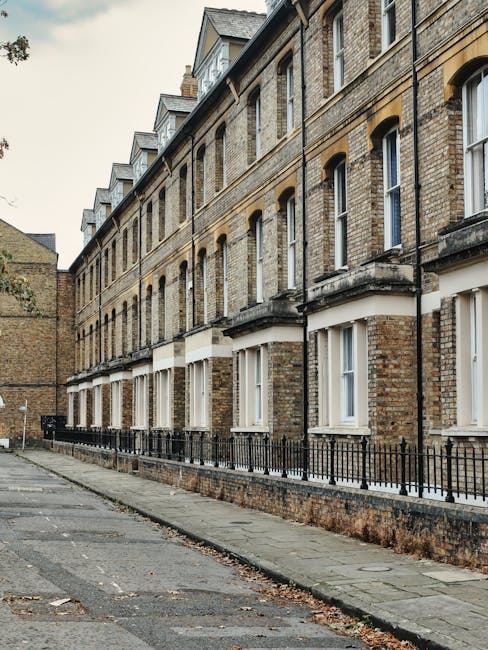
Flat removals for Wandle Park and Colliers Wood residents
Moving out of a flat can feel deceptively simple right up until the boxes are stacked in the hallway, the lift is busy, and the parking space you thought you had has vanished. For Flat removals for Wandle Park and Colliers Wood residents, that mix of tight access, shared entrances, stairs, and time pressure is exactly why the right plan matters. This guide breaks down how flat removals work, what to expect, and how to keep the whole thing calm enough that you can still find the kettle at the end of the day.
Whether you are leaving a first-floor apartment near the station, a top-floor conversion, or a modern block with managed access, the basics are the same: prepare early, protect your belongings, and choose a moving approach that suits the building, the distance, and your timeline. Let's face it, flat moves have a way of exposing every weak spot in the plan. The good news? Most of those problems are avoidable.
Why flat removals for Wandle Park and Colliers Wood residents matters
Flat moves are not just smaller house moves. They come with their own rhythm, and it is often a bit more awkward. In Wandle Park and Colliers Wood, residents commonly deal with shared entrances, narrow stairwells, controlled parking, busy local roads, and neighbours who would rather not hear a sofa being coaxed round a landing at 7am. All of that changes how a move should be organised.
The practical point is this: good flat removals reduce stress, reduce damage, and reduce time spent improvising. A poorly planned move can mean repeated trips, awkward lifting, scratched walls, or a van waiting while you locate keys, lift access, or the right parking spot. A well-run move, by contrast, feels almost boring. And boring is excellent on moving day.
For local residents, another issue is timing. Flats in busy parts of South London often sit close to commuter traffic and school-run patterns, so even short journeys can take longer than expected. That is why a moving service built around flats needs more than a van and a pair of hands. It needs judgement, patience, and a route that matches the property rather than forcing the property to match the route.
Expert summary: Flat removals go smoothly when you plan for access, timing, packing, and building rules together rather than treating them as separate tasks. The move becomes easier the moment the building stops being a surprise.
How flat removals for Wandle Park and Colliers Wood residents works
The process usually starts with a few simple details: where you are moving from, which floor you are on, whether there is a lift, what parking is available, and how much furniture needs moving. Those details sound basic, but they shape everything from vehicle size to crew numbers to how long the job takes.
In many cases, a flat move is handled with a tailored man and van style service, especially when the load is lighter or the journey is local. For larger flats, more fragile items, or awkward access, a fuller flat removals service is usually a better fit. The difference is not just about vehicle size. It is also about loading strategy, protection, and how the move is staged.
Here is how a typical flat removal is organised:
- Initial assessment: You describe the property, the furniture, and the access points.
- Planning: The mover decides on crew size, vehicle type, and any packing support needed.
- Preparation: Boxes are labelled, fragile items are wrapped, and anything loose is secured.
- Collection: Items are removed carefully from the flat, with attention to walls, bannisters, and shared spaces.
- Transport: Everything is loaded safely and strapped down so it does not shift in transit.
- Delivery and placement: Items are unloaded and placed where needed, which saves a lot of lifting later.
When a building has awkward access, you may also benefit from services like packing and boxes or even packing and unpacking services. Truth be told, the packing stage often decides whether the move feels tidy or chaotic. The van is only half the job.
Key benefits and practical advantages
There are several reasons flat removals are worth doing properly rather than trying to rush them with a few borrowed boxes and a heroic attitude.
- Less handling damage: Good packing and careful carrying reduce knocks, chips, and scuffs.
- Faster loading: A clear plan means fewer delays at the curb or front entrance.
- Better access management: Crews can work around stairs, lifts, and shared hallways without creating bottlenecks.
- Less physical strain: Moving a bed frame down three flights is no one's idea of fun. A proper team helps.
- Cleaner arrival at the new flat: If items are organised and labelled, unpacking is far easier.
- More predictable timing: Good planning reduces those awkward "we are just waiting for one thing" moments.
There is also a mental benefit that gets overlooked. A flat move can feel intensely personal because everything is close together. Your clothes, books, cookware, cables, plants, mirrors, random drawer items - all of it. When the move is handled well, the whole day feels more controlled. You get to breathe a bit.
If you are moving from a smaller flat, a simple removal van may be enough. If you are moving a larger load, or need a crew that can handle bulkier pieces, a more complete removal services approach gives you more flexibility. That matters more than people think, especially when there is a sofa that seems determined to stay put.
Who this is for and when it makes sense
Flat removals make sense for a wide range of residents, not just people leaving big apartments. They are useful if you are:
- moving out of a studio or one-bedroom flat
- relocating from a converted property with narrow internal stairs
- leaving a managed apartment block with lift booking rules
- moving in with a partner and combining household items
- downsizing after a long stay in a larger flat
- moving for work, studies, or a rent renewal deadline
- needing help with heavy furniture or awkward items
It also makes sense if you are short on time. A surprising number of moves in Colliers Wood are not "big life event" moves but practical ones: the tenancy ends, the new place is ready, and the window is tight. In those cases, a same-day or near-same-day arrangement can be helpful, especially if you have already boxed most things and just need the final load moved. If that sounds familiar, take a look at same-day removals.
Students and younger renters are another common group. A compact move with fewer items might suit student removals, especially if the biggest challenge is simply getting a bed, desk, and boxes out without wrecking your back or your weekend.
Step-by-step guidance
If you want your flat move to run smoothly, structure helps. A lot. Here is a practical way to approach it.
- Make a realistic inventory. Start with large furniture, then list boxes, bags, fragile items, and anything awkward like mirrors or small appliances.
- Check access early. Note stairs, lift size, parking restrictions, door widths, and whether any part of the route is shared or narrow.
- Book the right service. A light load may only need a van and a helper. A fuller flat move may need a more complete team and vehicle.
- Pack by room. Keep items from each room together. Label boxes clearly. Your future self will be grateful, even if your present self rolls their eyes.
- Protect breakables properly. Use sturdy boxes, wrapping, and padding for glass, lamps, screens, and table tops.
- Prepare essentials separately. Keep documents, chargers, medication, toiletries, snacks, and one change of clothes easy to reach.
- Confirm timing. If there are access windows, lift bookings, or parking limits, make sure they are shared and understood before the day.
- Walk the route. Look at the path from flat to van. You often notice the small snags only when you physically walk it.
A small but useful habit: keep one "open first" box for the kettle, mugs, toilet roll, phone charger, and a basic tool kit. It sounds obvious. People still forget it. Then the first evening turns into a scavenger hunt, which nobody needs.
Expert tips for better results
Here are the kinds of details that often separate a smooth flat removal from a frustrating one.
1. Measure the awkward things, not just the big things
People usually remember the sofa and the mattress. Fair enough. But the real headaches are often created by tall wardrobes, bed bases, washing machines, and glass tables. Measure those in advance, especially if you are navigating tight stairwells or a compact lift.
2. Keep shared spaces tidy and respectful
In blocks around Wandle Park and Colliers Wood, you are often moving through communal hallways or external entrances. Keep the route clear, avoid blocking neighbours, and aim to leave things as tidy as you found them. A bit of respect goes a long way in a shared building.
3. Decide what is worth dismantling
Some furniture is easier to move in sections. Some is safer left assembled. The trick is knowing the difference. A bed frame may come apart cleanly, while a fragile shelving unit might be better left together and carried with protection. It is a judgement call, not a hard rule.
4. Use storage when the timing is messy
If your move-out and move-in dates do not align, temporary storage can save a lot of stress. It gives you room to breathe and can stop you from rushing decisions about where things go. For a lot of people, that little buffer changes the whole experience. See storage if you need a staging option.
5. Keep fragile and sentimental items with you if you can
Documents, jewellery, laptops, family photos, and irreplaceable small items are often better kept separately. They are easier to track, and you will not spend the day worrying about them in the back of a van.
Common mistakes to avoid
Flat moves are full of avoidable pitfalls. These are the ones that crop up most often.
- Underestimating access issues: A move that looks easy on paper can become tricky when the lift is smaller than expected.
- Packing too late: Last-minute packing almost always leads to poor labelling and overfilled boxes.
- Using weak boxes: Flimsy boxes collapse, tear, or buckle at the worst possible time.
- Ignoring parking and loading space: If the vehicle cannot stop sensibly, everything gets slower.
- Leaving loose items lying around: Cables, shoes, cushions, and kitchen bits add up quickly.
- Not checking insurance and terms: Know what is covered and what responsibilities remain with you.
One especially common mistake is assuming that a flat move is automatically simpler than a house move, so it can be left until the last minute. In reality, tight buildings often mean more careful handling, not less. The smaller the space, the more exact the plan needs to be. That's the bit people miss.
Tools, resources and recommendations
You do not need a giant toolkit to move flat successfully, but a few basics really help.
- Strong boxes: Prefer a mix of small and medium boxes so heavy items do not become unmanageable.
- Packing paper or bubble wrap: Good for glasses, crockery, lamps, and framed items.
- Marker pens and labels: Write the room and brief contents on every box.
- Furniture blankets or wraps: Useful for protecting wooden surfaces and corners.
- Tape and scissors: Keep them together in one place so you are not hunting for them on the floor at 9pm.
- Basic toolkit: Allen keys, screwdriver, and a tape measure are always worth having nearby.
It can also help to think about the wider move journey. If you are combining a flat move with larger household items, furniture removals may be more suitable for the bulky pieces, while furniture pick up can help if you are clearing items you no longer want. For people moving from a flat into a house, a broader home moves service may be the better fit.
And if your move is tied to work, a more structured commercial moves approach may be useful for office-related items or mixed contents. Not every move fits neatly into one box. Life rarely does, to be fair.
Law, compliance, standards, or best practice
For flat removals in the UK, the main thing to remember is that safety and responsibility matter as much as speed. That does not mean you need to become a compliance expert overnight. It does mean you should expect clear communication about insurance, handling, and what the mover will and will not do.
Good practice usually includes:
- careful manual handling to reduce injury and damage
- protecting walls, bannisters, and door frames where practical
- securing loads correctly inside the vehicle
- being transparent about access limitations before the move
- keeping personal information and payment details secure
Where a provider mentions insurance, safety, or terms, read them properly. That is not exciting, I know, but it is worth the few minutes. You can also review related service information such as insurance and safety, health and safety policy, and terms and conditions before booking.
For payment-related reassurance, it is sensible to understand how card details, invoices, and booking confirmations are handled. A clear payment and security page is a good sign that the company takes those details seriously. And if sustainability matters to you, look for a provider that treats disposal and reuse responsibly, not as an afterthought. The recycling and sustainability approach can make a real difference when decluttering during a move.
Options, methods, or comparison table
Choosing the right moving method depends on size, access, and how much help you want on the day. Here is a straightforward comparison.
| Option | Best for | Strengths | Watch-outs |
|---|---|---|---|
| Man and van | Small to medium flat moves | Flexible, usually efficient, good for local trips | May be less suitable for larger loads or awkward access without extra support |
| Flat removals service | Most flat moves with furniture and boxes | Better planning, more handling support, more tailored to buildings | May feel like more than you need for very light moves |
| Removal van only | Compact moves with minimal lifting | Cost-conscious and simple | You may still need help carrying and loading |
| Full removal service | Complex or higher-value moves | Best for protection, organisation, and larger homes or flats | Usually the most involved option |
If you are trying to choose between providers, do not just compare the vehicle. Compare what happens before the van arrives, how fragile items are handled, and whether the team has thought about your building. That is where real value shows up.
Case study or real-world example
A typical local example goes like this. A renter in Colliers Wood is moving out of a second-floor flat with no lift. The property has a tight stair turn, a wardrobe that does not dismantle easily, and a sofa that is just a bit too large for the hallway if carried the wrong way. They also need to leave by lunchtime and the new flat is only a short drive away.
The move goes well because three things are done early. First, the awkward items are measured and the wardrobe is partly dismantled. Second, the boxes are split into manageable weights instead of being packed until they are too heavy to lift comfortably. Third, the loading route is checked the day before, so the van can stop in the best available spot. Nothing dramatic. Just good preparation.
The result is a move that takes the pressure down several notches. A few bumps here and there, naturally - this is moving, not a spa day - but no damage, no frantic searching for keys, and no scramble with an overloaded box giving up halfway down the stairs. That is the kind of move most people want, even if they do not say it out loud.
Practical checklist
Use this checklist in the last few days before moving:
- Confirm the move date and arrival window
- Check lift access, stair access, and parking arrangements
- Label all boxes by room and priority
- Pack fragile items separately and clearly
- Set aside essentials for the first night
- Measure large furniture and awkward items
- Decide what is going into storage, if anything
- Review insurance, safety, and terms
- Prepare keys, documents, and payment details
- Clear hallways and leave walkways safe
Small but important reminder: if you only do one thing the night before, make sure the essentials box is obvious. Kettle, phone charger, loo roll, and a clean T-shirt. That little box is worth its weight in gold.
Conclusion
Flat removals for Wandle Park and Colliers Wood residents work best when the move is planned around the building, not just the belongings. Access, timing, packaging, and the right level of support all matter. Get those basics right and the whole experience becomes much less stressful, even if there are a few stairs and a slightly stubborn wardrobe involved.
The real aim is not perfection. It is a move that feels controlled, safe, and sensible from start to finish. If you are preparing your own move, take a quiet look at the details early and choose the help that genuinely fits your flat, your furniture, and your timetable. That little bit of care pays off more than most people expect.
Get a free quote today and see how much you can save.
And if you are already knee-deep in packing tape, take heart: the hard bit is usually the planning, not the day itself. One careful step at a time, and you will get there.
Frequently Asked Questions
What makes flat removals different from house removals?
Flat removals usually involve shared entrances, stairs, lifts, tighter turns, and more access planning. House removals can be bigger, but flats often need more care in less space.
Is a man and van enough for a flat move?
Sometimes, yes. If you have a small load and straightforward access, a man and van service can work well. If you have bulky furniture, fragile items, or awkward stairs, a fuller flat removals service may be better.
How far in advance should I book a flat removal?
As early as you can, especially if your move is tied to a tenancy date or a weekend slot. If your timing is tight, same-day removals may be worth considering, but availability can be limited.
Do I need packing help for a flat move?
Not always, but packing help is useful if you are short on time or have lots of breakables. Services like packing and boxes or packing and unpacking services can make the move easier and faster.
What size van do I need for a one-bedroom flat?
That depends on your furniture and how much you own. A lightly furnished flat may fit into a smaller vehicle, while a fuller one may need a larger removal van or more than one trip.
How do I prepare for a flat move with no lift?
Measure large items, use strong boxes, clear the route, and allow extra time. It also helps to tell the movers about the stairs in advance so they can plan the right approach.
Can flat removals include furniture I no longer want?
Yes, in many cases unwanted items can be taken away separately or as part of a clearance-style plan. Furniture removals and furniture pick up are useful options if you are reducing what comes with you.
What should I keep with me on moving day?
Keep documents, keys, chargers, medication, valuables, and a small essentials bag with you. It saves a lot of stress if those items never end up in a box at the back of the van.
Are flat removals suitable for students?
Absolutely. Student removals are often ideal for smaller loads, local journeys, and quick turnaround moves between term-time addresses or shared accommodation.
What if my move-out and move-in dates do not match?
Storage can be the simplest solution. It gives you a safe pause between properties and prevents rushed decisions when access dates do not line up neatly.
How do I know whether a provider is trustworthy?
Look for clear information about insurance, safety, payment, terms, complaints, and privacy. A company that explains those things plainly is usually easier to work with, and more reassuring too.
Can I move a piano or other heavy item from a flat?
Yes, but it needs proper planning and the right equipment. For heavier or specialist items, piano removals are the safer choice rather than trying to manage them as part of a standard small move.